
The uterus is a key organ in women’s reproductive system, responsible for supporting the growth of a fetus. Uterus related concerns can impact fertility, menstruation and overall health. Uterine fibroids are non-cancerous growths that form in or around the uterus. Fibroids can cause various health issues depending on their size, number, and location. In this blog, we’ll discuss the causes, symptoms and treatment options but before that let’s understand what uterine fibroids actually is.
What Are Uterine Fibroids?
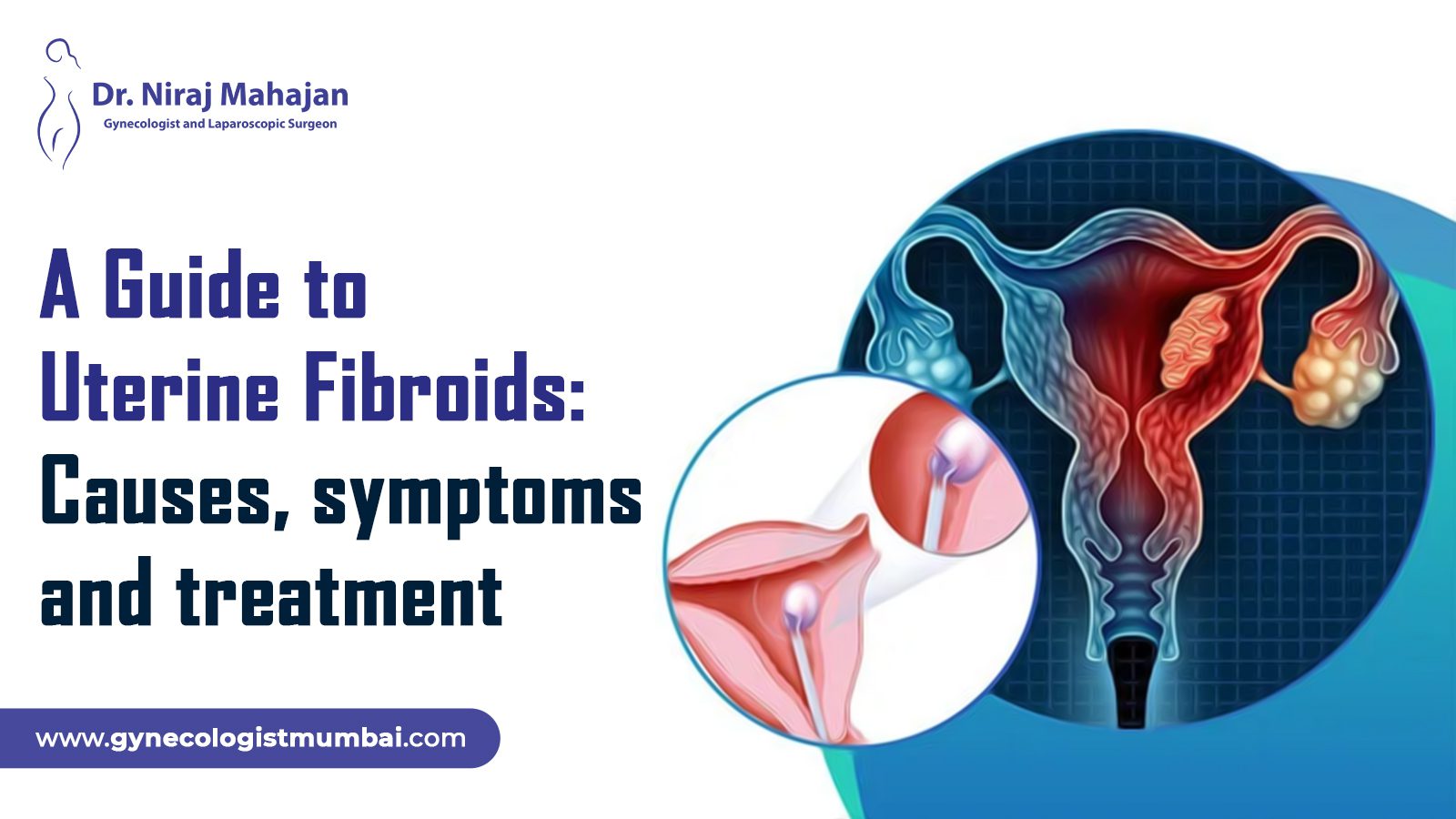
Fibroids are made up of muscle and fibrous tissue which develop in the walls of uterus. They vary significantly in size, from being undetectably small to large masses that can alter the shape and size of the uterus. Fibroids are classified into 4 types based on their location and they are:
- Intramural Fibroids: It is the most common type which develops within the muscular wall of the uterus. As it grows, the uterus also enlarges causing symptoms like pelvic pain and heavy periods.
- Submucosal Fibroids:It grow sunder Neath the lining of the uterus which can extend into the uterine cavity. It can cause heavy or prolonged periods and may cause fertility issues.
- Subserosal Fibroids: It develops on the outer surface of the uterus and extend into the pelvic cavity. Large fibroids of such kind may put pressure on nearby organs which may cause symptoms like frequent urination or constipation.
- Pedunculated Fibroids: These fibroids are attached to the uterine wall by a stalk-like structure. When these fibroids twist on their stalks, they can cause sudden, severe pain.
Causes of Uterine Fibroids:
The exact cause of uterine fibroids is still not known, but several factors are thought to contribute to their growth and those are:
- Hormonal Imbalance:
Fibroids are believed to be influenced by the hormones estrogen and progesterone, which stimulate the growth of the uterine lining during each menstrual cycle. Since fibroids contain more estrogen and progesterone receptors than normal uterine muscle cells. Fibroids tend to grow during pregnancy when hormone levels are high and shrink after menopause due to reduced hormone production.
- Genetics:
Genetics play a significant role in fibroid development. Women with a family history of fibroids are more likely to develop them than the rest. Specific genetic mutations have been identified in fibroids that may contribute to their formation.
- Other Growth Factors:
Fibroids may also be influenced by substances that help the body maintain tissues, such as insulin. This explains why it becomes symptomatic in some women while remaining small and asymptomatic in others.
Symptoms:
Not all women with fibroids experience symptoms. When they do occur, these are some of the common symptoms:
- Heavy Menstrual Bleeding: Heavy and prolonged periods is one of the most common symptoms seen in women with uterine fibroids.
- Pelvic Pain or Pressure: Fibroids can cause severe pain and bloating in the abdomen and it’s caused due to it applying pressure on to the abdomen.
- Frequent Urination: Women may experience frequent urination and it’s due to the fibroids pressing the bladder.
- Constipation: When the fibroids press on the rectum, it makes it hard for the elimination of waste, causing constipation.
- Pain During Intercourse: Larger fibroids can sometimes make sex uncomfortable or even painful.
- Back or Leg Pain: Women may experience severe back and leg pain and it’s due to the fibroids triggering the nearby nerves.
- Reproductive Issues: Sub mucosal fibroids can cause fertility issues as it blocks the fallopian tubes and alters the shape of the uterus.
Treatment:
Treatment for fibroids depends on various factors including the severity of symptoms, age, size and location.
- Medications
Medications are not the go-to solution for uterine fibroids as it’s not a solution but more of a relief method. Medications prescribed for uterine fibrosis focus on managing symptoms like heavy periods, pain and temporarily shrinking fibroids.
- Minimally Invasive Procedures:
Uterine Artery Embolization (UAE): This procedure blocks the blood supply to the fibroids, causing them to shrink.
MRI-Guided Focused Ultrasound Surgery (FUS): This non-invasive procedure uses high-intensity ultrasound waves to destroy fibroid tissue.
- Surgical Options:
Myomectomy:In this surgery, fibroids are removed but the uterus is kept intact, making it ideal for fertility. It can be performed via open surgery, laparoscopy, or hysteroscopy. This depends on the size and location of the fibroids.
Hysterectomy:In this surgery, the entire uterus is removed. it is the only permanent solution since it eliminates the possibility for re-occurrence. It is recommended for women who doesn’t wish to be pregnant or for those with severe symptoms.
Conclusion:
Uterine fibroids are a common health condition that can vary widely in terms of size, symptoms, and impact on a woman’s life. Early diagnosis and consultation with a healthcare provider are crucial for managing symptoms effectively. Whether through medications, lifestyle changes, or surgical interventions, there are a range of treatment options available that allow women to make the best choice based on their personal preference. That’s why Dr Niraj Mahajan is the top choice as he is a renowned gynaecologist who has been thriving for over a decade in his field of expertise. With years of experience in managing uterine fibroids and other conditions, Dr Niraj Mahajan ensures compassionate care ensuring your unique needs. visit today for consultation and take a first step towards healthier you.